
As enterprise software vendor houses struggle with one another to maintain and expand their territories and influence, they fight across both philosophical and logistical boundaries. What’s to say where the boundaries falls between, we know these battle lines are long-contested, not a day goes by where there’s not another story about PLM bumping up against ERP. House PLM. House ERP. House CRM. House MDM. So many acronyms claiming holistic enterprise solutions all at once, it threatens to give you a headache worthy of a space fold. We’ll ignore for the moment that a strategic philosophy like PLM shouldn’t be exclusively characterized by the specific software that carries the name. Never mind that definitions for all of these things tend to be very liquid. And we’ll conveniently forget that the right solutions tend to involve one of everything, creating multi-headed dragons. There’s collateral damage from this turf war, and that’s the mass confusion with some customers who go off and try to implement something that has exactly zero chance of meeting their needs. Some have suggested that the solution is to put your PLM in the box. What’s in the box? Pain.


 The amount of choice in the ever-expanding CAD universe is not without a strong caveat: the

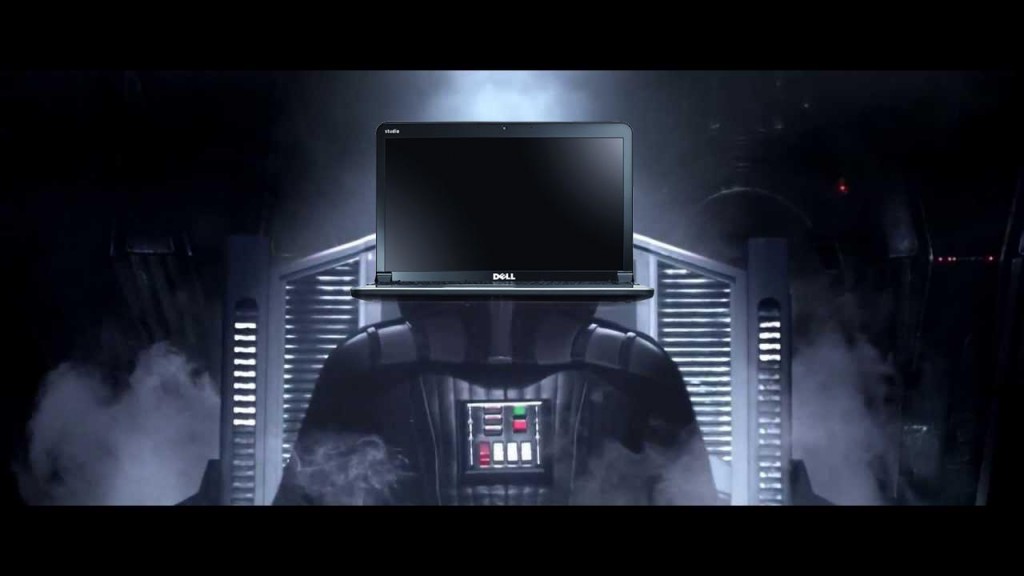 Some of the Digerati would have you believe the personal computer is dead. Mobile has killed the personal computer, they say. The PC should be left smoldering in anguish, limbs all chopped off, quietly slipping away into a lava flow on some remote volcano planet. PC was hard to work with, often times angry, and would deliver the blue screen choke of death all too often. Just let the PC die, and welcome the era of smart phones and tablets for everything. But the PC lives still. As tablet sales erode to both market saturation and indifference, and PC’s long-depressed sales numbers go on a rebound it should be quite clear that mobile alone cannot kill the PC. At first, analysts were thinking perhaps the PC was just not completely dead, that it might just be twitching involuntarily, or perhaps that it was undead. Now they are forced (see what I did there?) to conclude that the PC is quite possibly alive after all. Lord PC. Yes my master? Riiiiiiise.
 Traditional Product Data Management (PDM) has been under a protracted siege on multiple fronts. From the West, the cloud invasion approaches, with the technology potential to reduce traditional PDM in all its file-handling, server-dependent glory into little more than a forgotten curiosity. From the East march legions of engineers who despise PDM in their very hearts. They feel justifiably wronged by the pains that traditional PDM has wrought upon them. As engineering focused IT resources give way to outsourced interests, PDM’s list of allies grows thin. Not that such allies were particularly strong to begin with, especially among freelancers and small business
  On this cold winter morning, the first day of January in the year of our Email twenty-two, we stop for a collective moment to think. By common reckoning it is the year 2015, a time once thought to be so far away that email would have been little more than a memory, long supplanted by superior communications technologies wrought by the steady, unrelenting march of progress. After all, we’ve been hearing the condemnation for quite some time: email is dead some say. Or perhaps it should be dead, crushed under a wave of new socially-oriented collaboration tools. Except it’s not. Twenty two years since we started calling email by its proper name, it thrives. It is one of the few things that everyone with access to technology interacts with on a daily basis. Email is everywhere. Email is King. Kneel before email.